This video explains how to self-administer AVTOZMA using the autoinjector pen. Please be sure to read the Instructions for Use prior to self-injecting at home.
INJECTION SUPPORT and resources for patients taking AVTOZMA®
A Nurse Connector™ is a registered healthcare professional* who can help you along your AVTOZMA treatment journey


Support you can expect from a Nurse Connector includes*:
- Supplemental injection training to help you get started and become comfortable self-injecting AVTOZMA
- AVTOZMA education on storage and handling, dosing schedule, and injection site rotation
- Ongoing support for as long as you need to be confident in your use of AVTOZMA
*While Nurse Connectors are registered healthcare professionals, they cannot offer medical advice. If you have an urgent or specific question related to your healthcare, please contact your healthcare provider.
AVTOZMA injection resources
It’s normal to have questions about injections or taking AVTOZMA. You can utilize these helpful injection resources to help you on your treatment journey.
This video explains how to self-administer AVTOZMA using the prefilled syringe. Please be sure to read the Instructions for Use prior to self-injecting at home.
 AVTOZMA Injection Overview and Dosing Calendar
Download this brochure to view helpful information on how to self-inject AVTOZMA and keep track of your dates of treatment and injection sites.
 AVTOZMA Instructions for Use (IFU)
Download the IFU and read carefully prior to injecting at home. A Nurse Connector can also provide additional injection training and guidance.
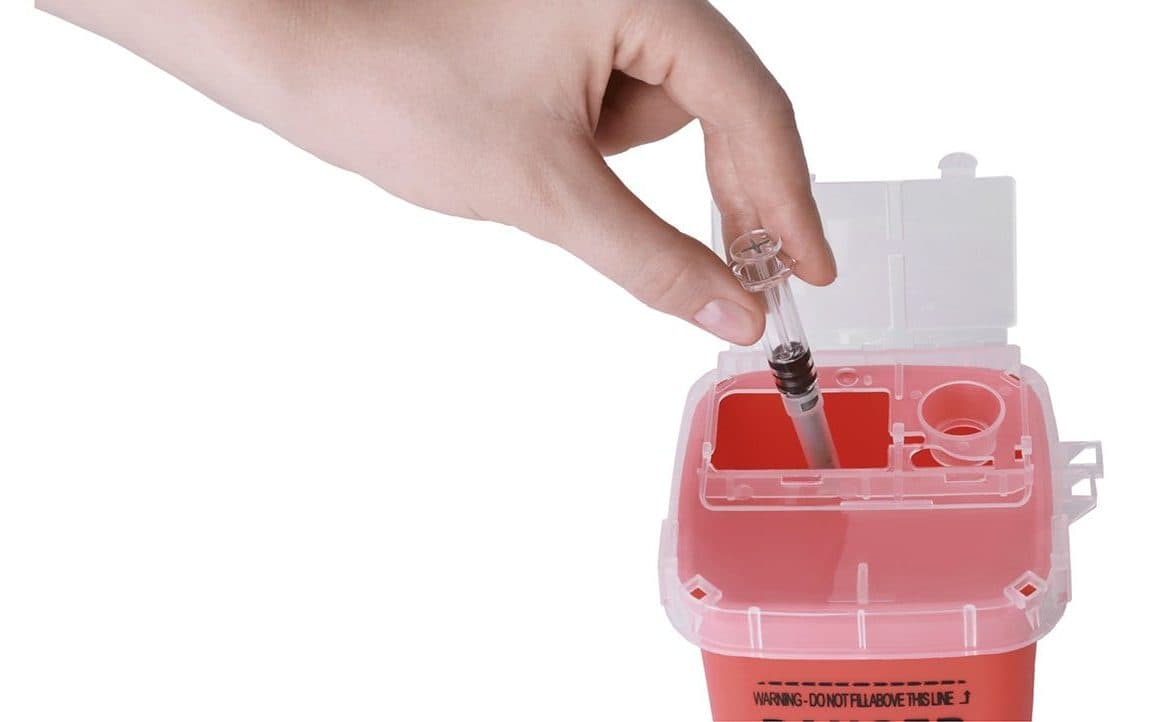
How to obtain a sharps container
Safely dispose of AVTOZMA prefilled syringes with a sharps container. This program is intended to support patients prescribed AVTOZMA.
If you reside in California Visit sharpstakebackcalifornia.org to order a sharps container
If you reside in the continental United States (excluding Hawaii, Alaska, and Puerto Rico): Call (855) 216-7657 to order a sharps container
For more information on safe sharps disposal, visit safeneedledisposal.org.
Indications and Important Safety Information
IMPORTANT SAFETY INFORMATION
AVTOZMA can cause serious side effects, including:
Serious infections, which may lead to death. AVTOZMA can weaken your immune system, increasing the risk of infections or worsening existing ones. Your doctor will test for tuberculosis (TB) before starting treatment. If you have COVID-19, your doctor should monitor you for signs and symptoms of new infections during and after treatment with AVTOZMA. After starting AVTOZMA, call your doctor right away if you have any symptoms of an infection such as fever, chills, cough, or other signs of infection.
Tears (perforation) in your stomach or intestines. Some people taking AVTOZMA get tears in their stomach or intestine. This happens most often in people who also take nonsteroidal anti-inflammatory drugs (NSAIDs), corticosteroids, or methotrexate. Get medical help right away if you have stomach pain that does not go away, and a change in your bowel habits.
Liver problems. Some people have experienced serious life-threatening liver problems, which required a liver transplant or led to death. Your doctor will monitor your liver function. Call your doctor if you experience tiredness, loss of appetite, nausea, dark urine, or yellowing of the skin or eyes.
Changes in certain laboratory test results. Your doctor should do blood tests before and during treatment with AVTOZMA. Make sure you get all your follow-up blood tests done as ordered by your doctor. Your doctor may stop your AVTOZMA treatment for a period of time or change your dose of medicine if needed because of changes in these blood test results.
Cancer. AVTOZMA may increase your risk of certain cancers by changing the way your immune system works. Tell your doctor if you have ever had any type of cancer.
Do not take AVTOZMA if you are allergic to tocilizumab or any of its ingredients.
Before taking AVTOZMA, tell your doctor about all your medical conditions, including if you:
- Have infections (with or without a fever), liver problems, or a history of stomach/intestinal ulcers or cancer.
- Have diabetes, HIV, or a weak immune system. People with these conditions have a higher chance for infections.
- Have or had hepatitis B, tuberculosis (TB), have been in close contact with someone with TB, live or have lived or traveled to certain parts of the country (such as the Ohio and Mississippi River valleys and the Southwest).
- Have had an allergic reaction to tocilizumab products or any of its ingredients.
- Have or had a condition that affects your nervous system, such as multiple sclerosis.
- Have had a recent or scheduled vaccine (you should not receive live vaccines while on AVTOZMA).
- Plan to receive surgery or a medical procedure.
- Are pregnant, planning to become pregnant, or breastfeeding. AVTOZMA may harm your unborn baby. It is not known if AVTOZMA passes into your breast milk.
Also, tell your doctor about all of the medicines you take, including prescription, over-the-counter medicines, vitamins and herbal supplements. AVTOZMA and other medicines may affect each other causing side effects. Know the medicines you take. Keep a list of them to show to your healthcare provider and pharmacist when you get a new medicine.
The most common side effects include: upper respiratory tract infections (such as colds), headache, high blood pressure, injection site reactions, and increased liver enzyme levels.
These are not all the possible side effects. Call your doctor right away if you have any symptoms of an infection or experience any side effects.
You may report side effects by calling Celltrion USA Inc. at 1-800-560-9414, FDA at 1-800-FDA-1088, or visit www.fda.gov/medwatch.